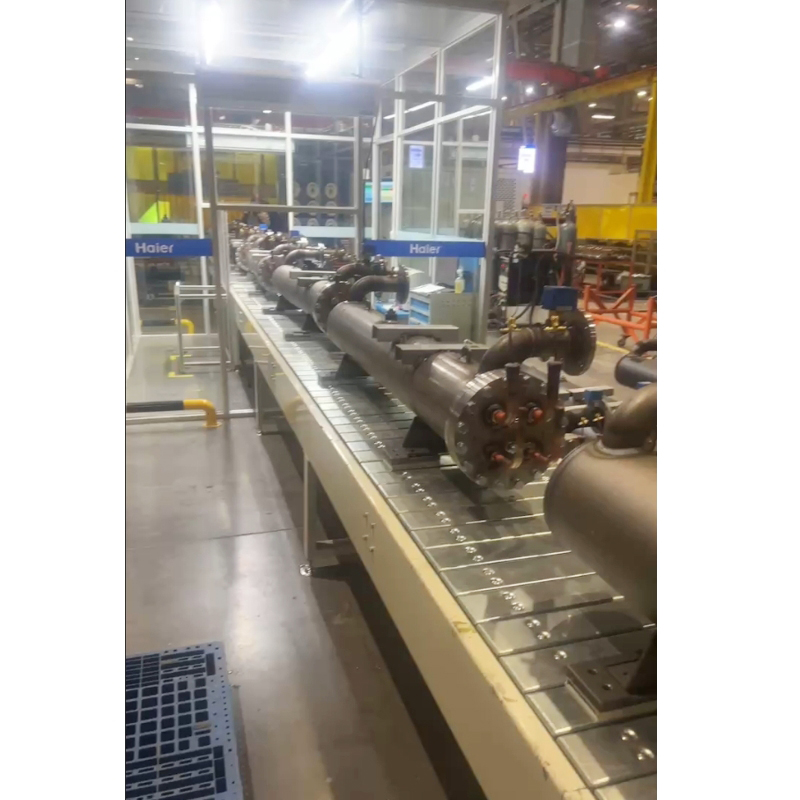
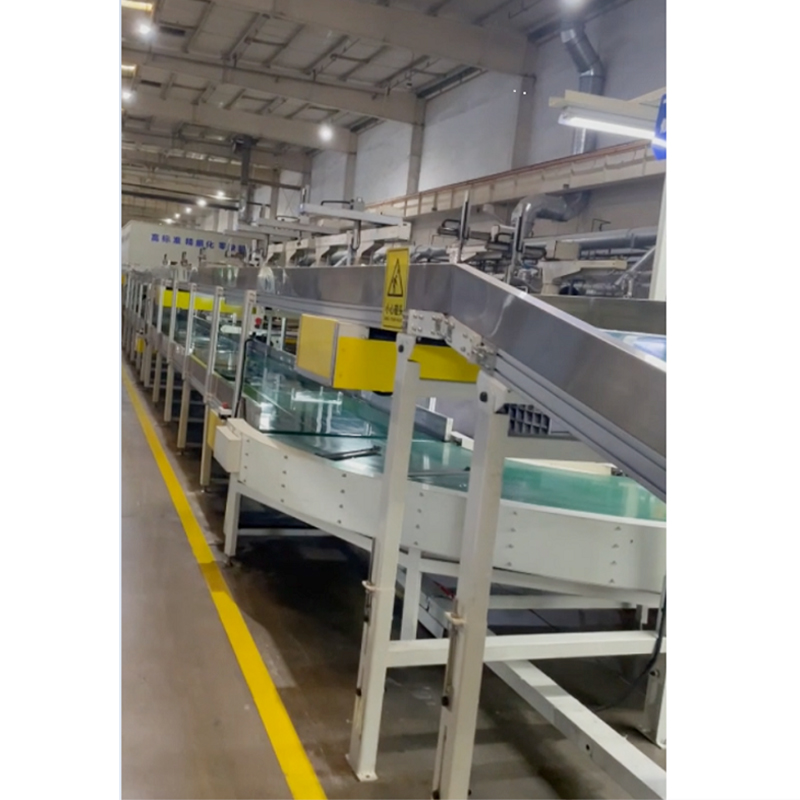
Plate chain conveyor lines are common continuous conveying equipment in industrial production, and the tightness of their chains directly affects their operational stability.
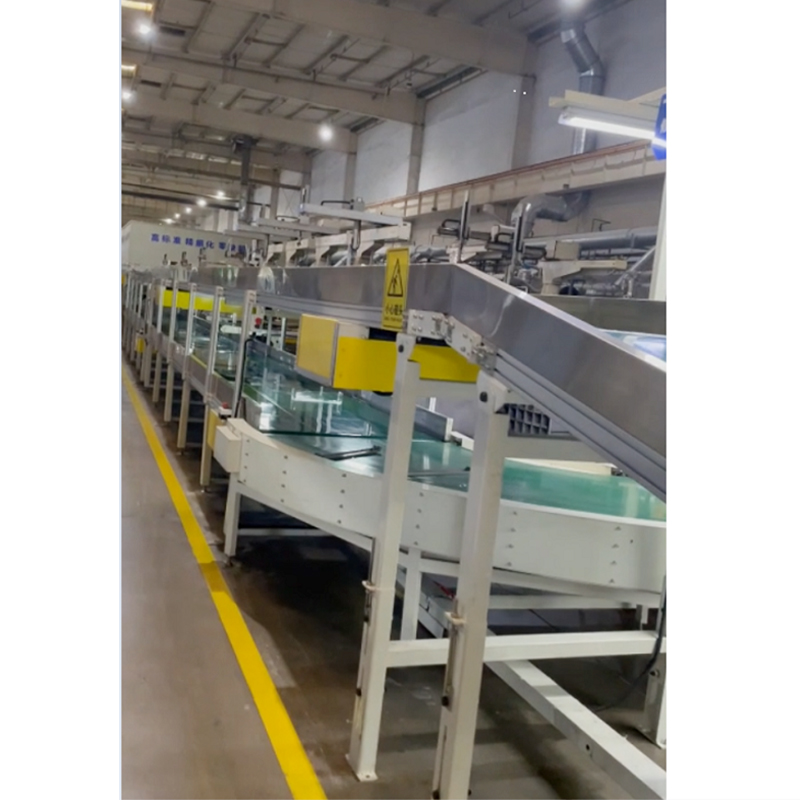
As the core equipment for bulk material transportation, the rationality of the power matching of the drive unit of the belt conveyor line directly affects the equipment's operational stability, energy consumption level, and service life.
If the center lines of the head and tail pulleys of the plate chain conveyor are not strictly aligned, the chain will deviate due to lateral forces during operation, causing misalignment between the sprocket and the chain.
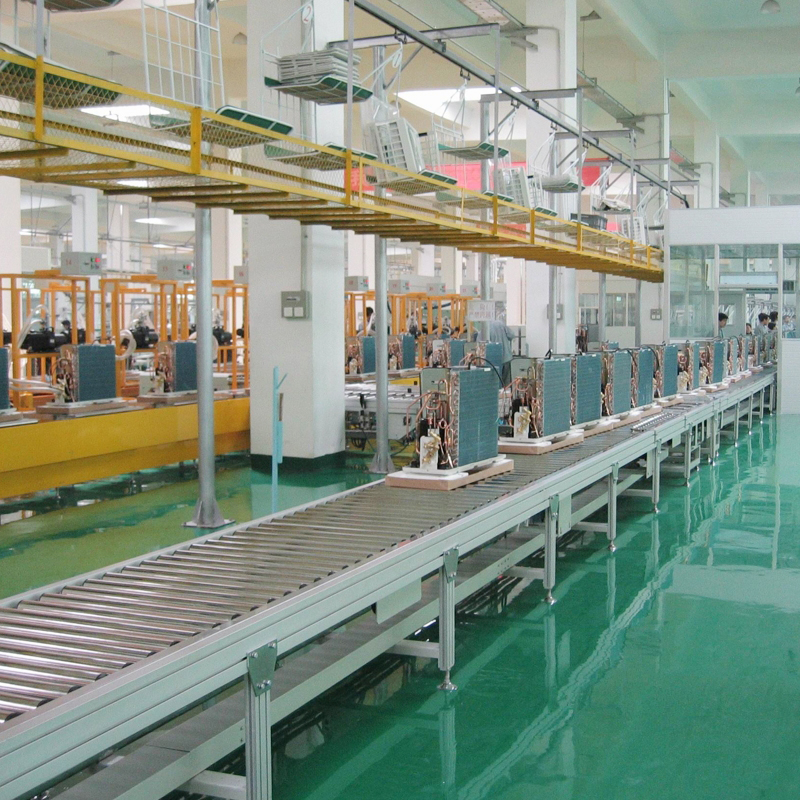
Roller conveyor lines, as an important component of modern logistics and production systems, are widely used in food processing, chemical manufacturing, warehousing, and transportation.
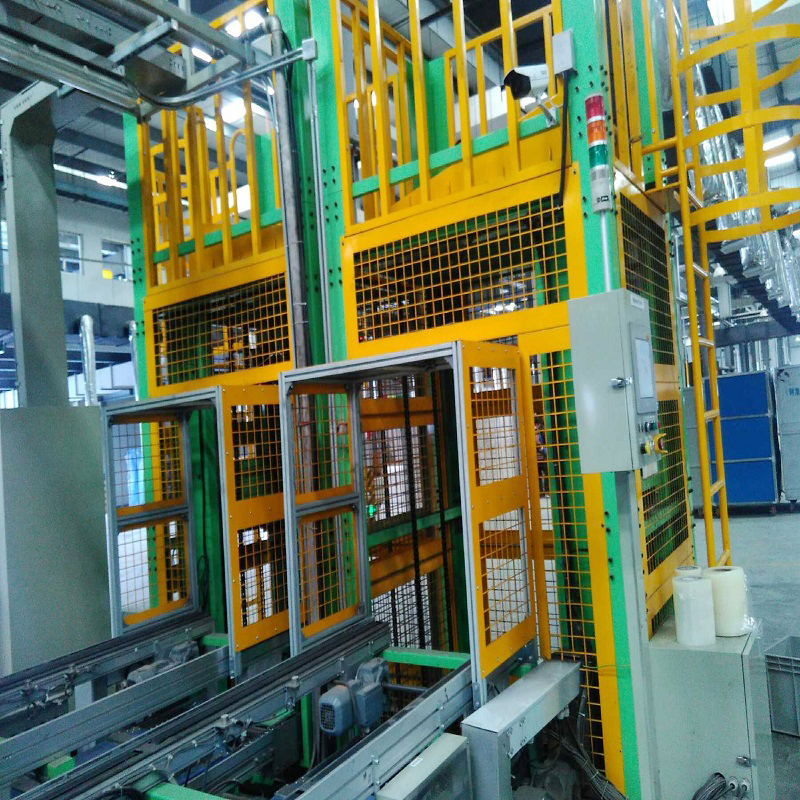
Reciprocating elevators, with their high efficiency, precision, and safety, have become indispensable lifting equipment in modern industrial production and logistics operations.
The Plate Chain Conveyor Line emerges as the superior solution to these challenges, utilizing a continuous planar motion mechanism that ensures unwavering stability even under maximum payload conditions.